
How physical models helped villages fight drought
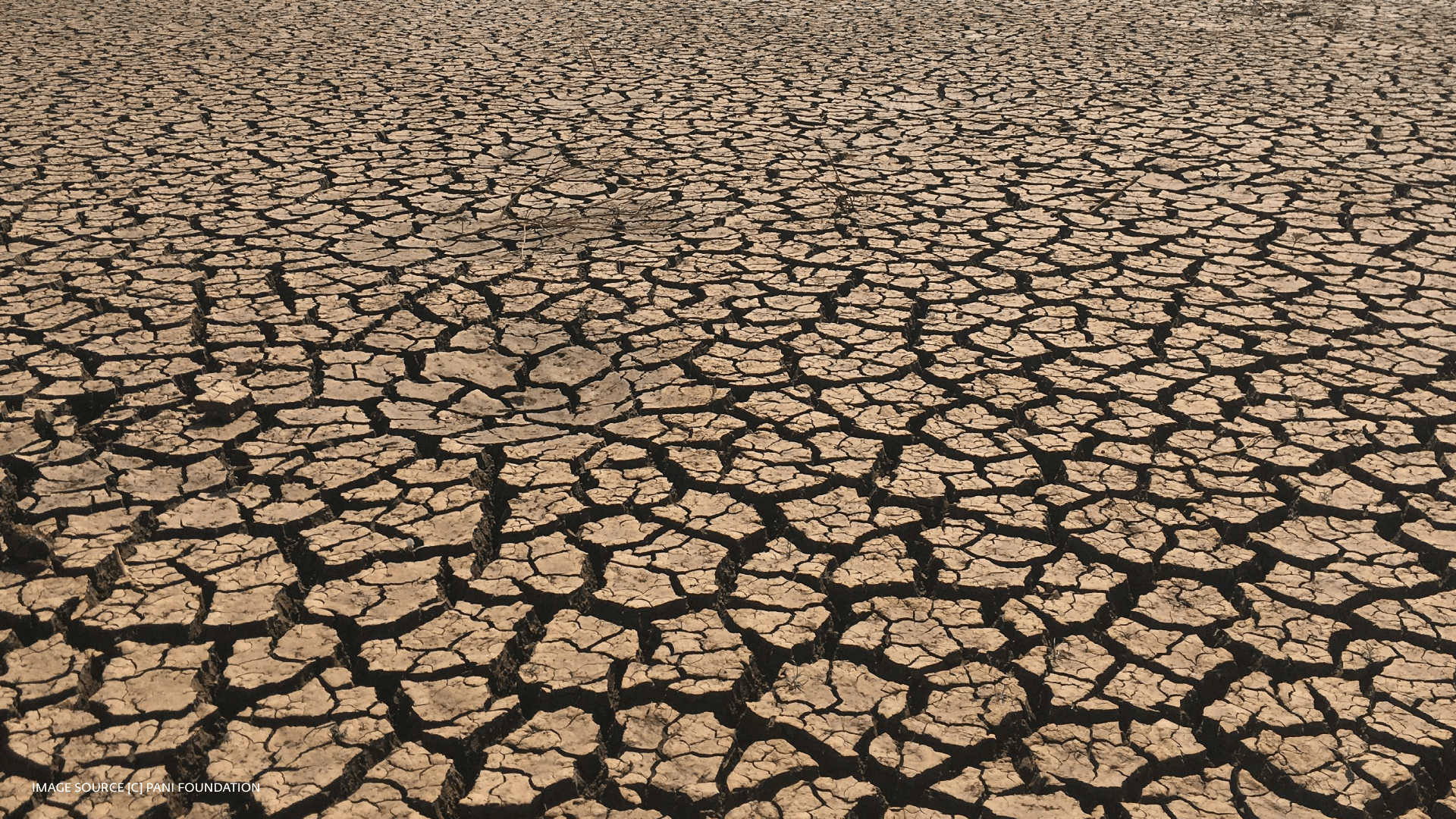
Maharashtra faced yearly droughts despite strong monsoons. Rural belts stayed water-scarce every summer due to poor watershed planning and lack of community training.

Set up by Aamir Khan, Paani Foundation partnered with the government to teach villages watershed management so they could conserve water and become drought-resilient.
They needed a way to train thousands quickly. Films alone weren’t enough. They needed a tangible tool villagers could instantly understand - and they needed it in weeks.
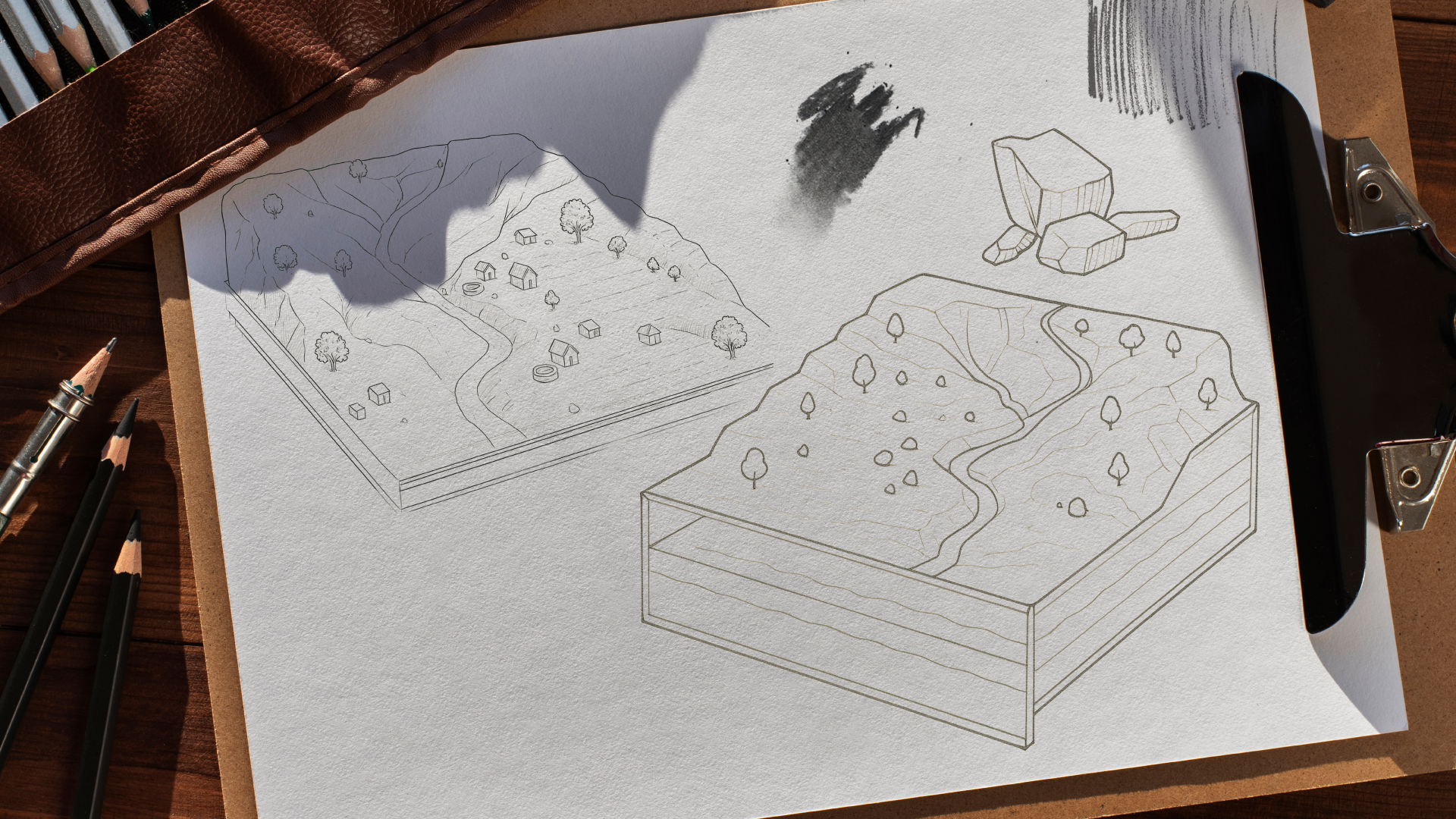
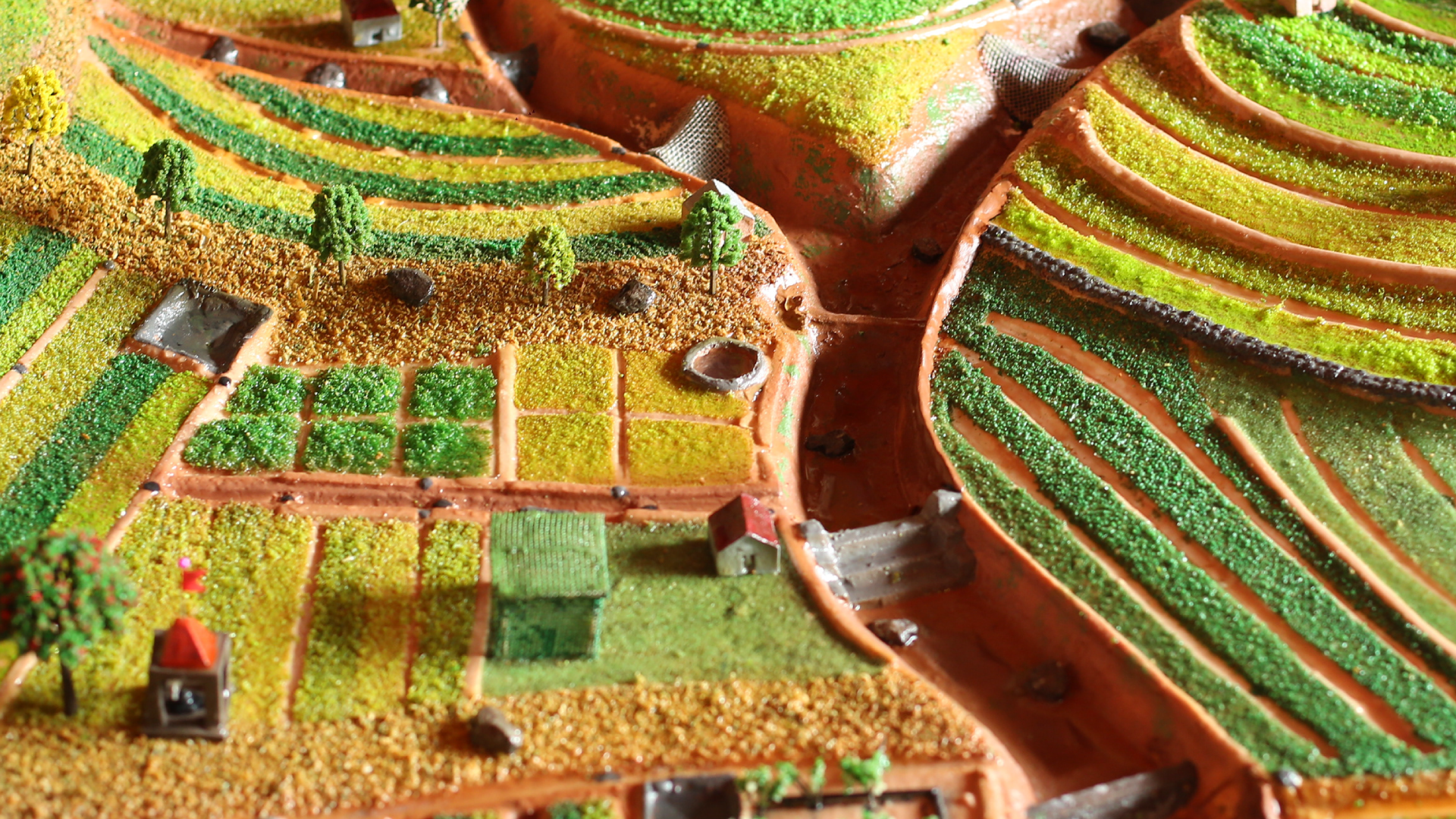
We proposed physical models replicating local terrain. By simulating rain, villagers could see water flow, soil loss, and how watershed structures transform the landscape.
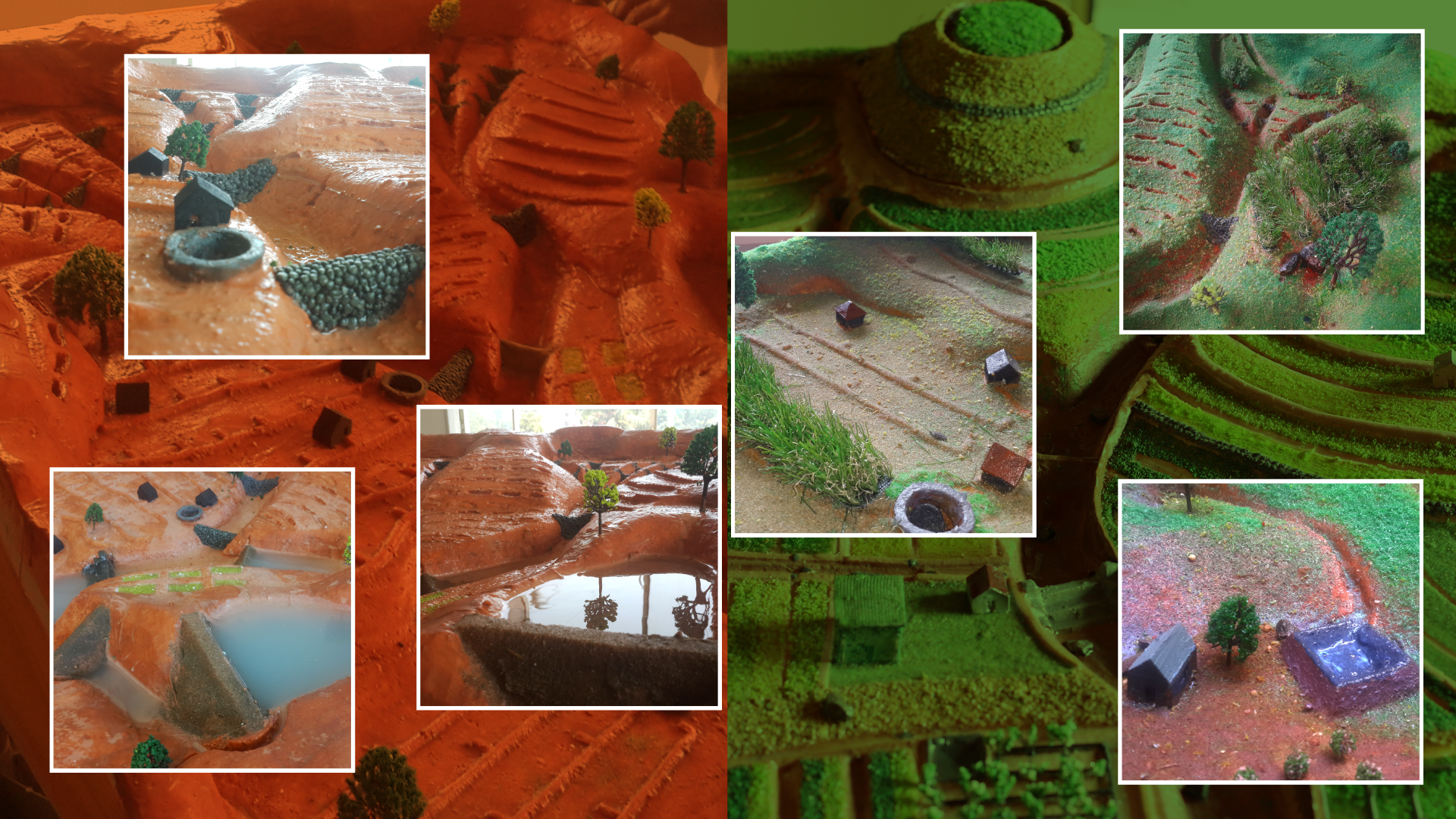
We explored 3D printing and Google Maps terrain data, but time demanded speed. Early prototypes were thermocol, final models were crafted in fibre with artisan Baiju Ghandat.

Portable models travelled across villages, clearly demonstrating before–after watershed scenarios. The simple, tactile format made the science easy for every participant to understand.

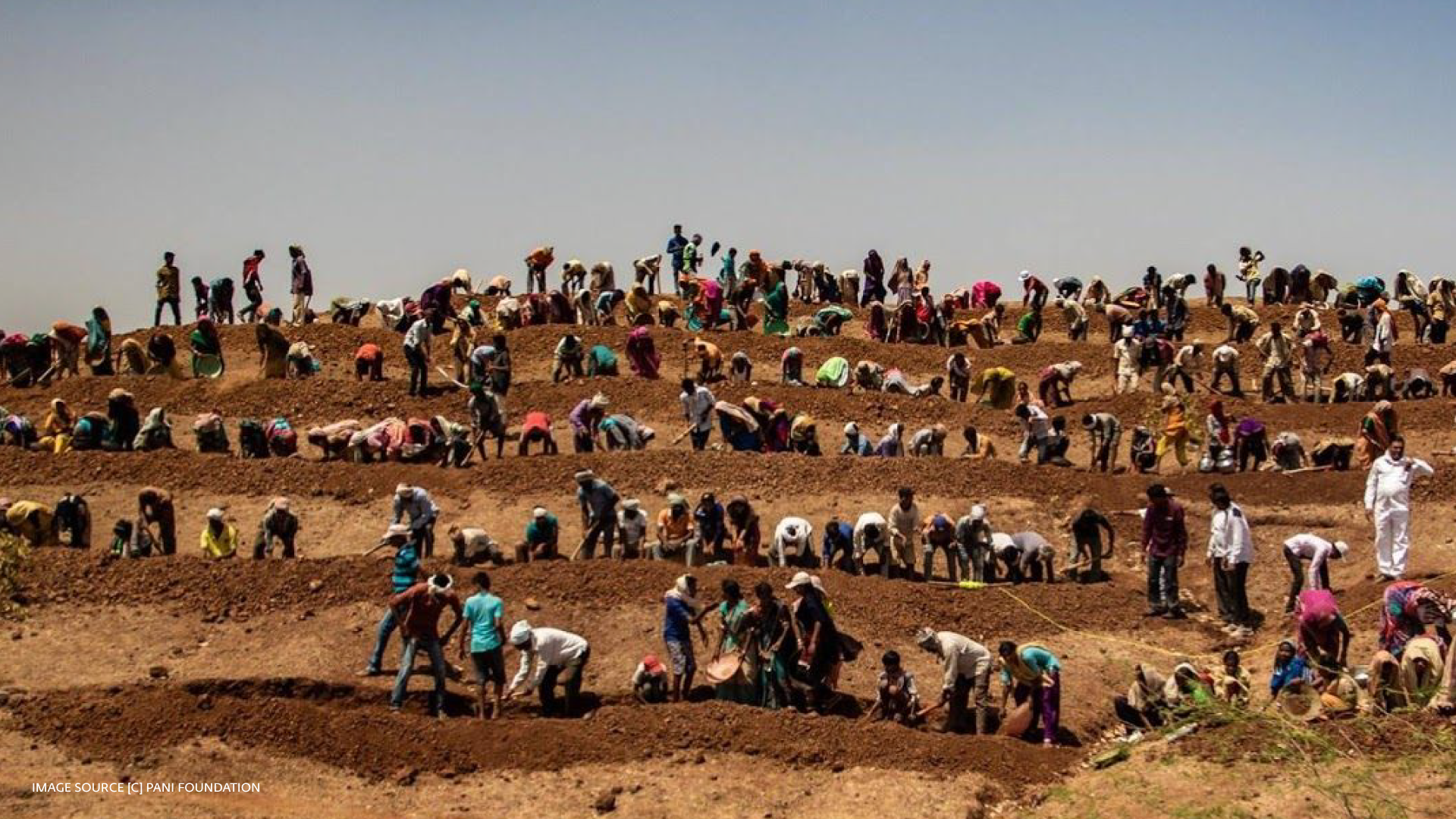
Trained villagers led their own watershed work - building check-dams, trenches, soak pits, percolation tanks and recharge pits through shramdaan, creating ₹370cr of water-capacity in year one.